



Forms in passage
This work did not begin with Asfār.
It began with migration and movement.
With leaving and arriving, again and again.
With crossing borders of language, discipline, and expectation.
With learning architecture first as a craft of control, then as a practice of exposure, and finally as a question that neither control nor exposure could resolve.
The projects gathered here belong to that searching.
They emerged from years of study and practice across different geographies and intellectual traditions. During this time, questions of migration, displacement, and belonging became central, not only as objects of study, but as lived conditions shaping how space was perceived, inhabited, and imagined.
Architecture, during this period, functioned as a lens for reading the modern world.
It sharpened perception, but did not yet offer rest.
Its infrastructures, borders, and institutions were examined for how they produced subjects, regulated movement, and organized difference.
Migration appeared as an extended spatial condition — dispersed across housing, labor, policy, memory, and landscape — rather than a single site or event.
These works carry the rigor of that inquiry.
They draw from critical traditions that seek to make visible the hidden architectures of power within imperial and capitalist systems. They ask how space participates in exclusion and belonging, and how architectural thinking might respond to lives lived in motion.
And yet, over time, another realization emerged.
The migrant subject I was searching for was never fully contained within space.
Nor could it be explained by infrastructure, territory, or representation alone.
The journey was not horizontal, from one place to another.
It was vertical — from one station of understanding to the next.
What these works ultimately record is not a solution, but a threshold: the point at which critique reached its limit, and another mode of inquiry became necessary. They are not declarations of arrival, but traces of a passage — indispensable, incomplete, and formative.
They prepared the ground from which Asfār could later unfold.
Teaching, Writing & Research
A life of study, shared
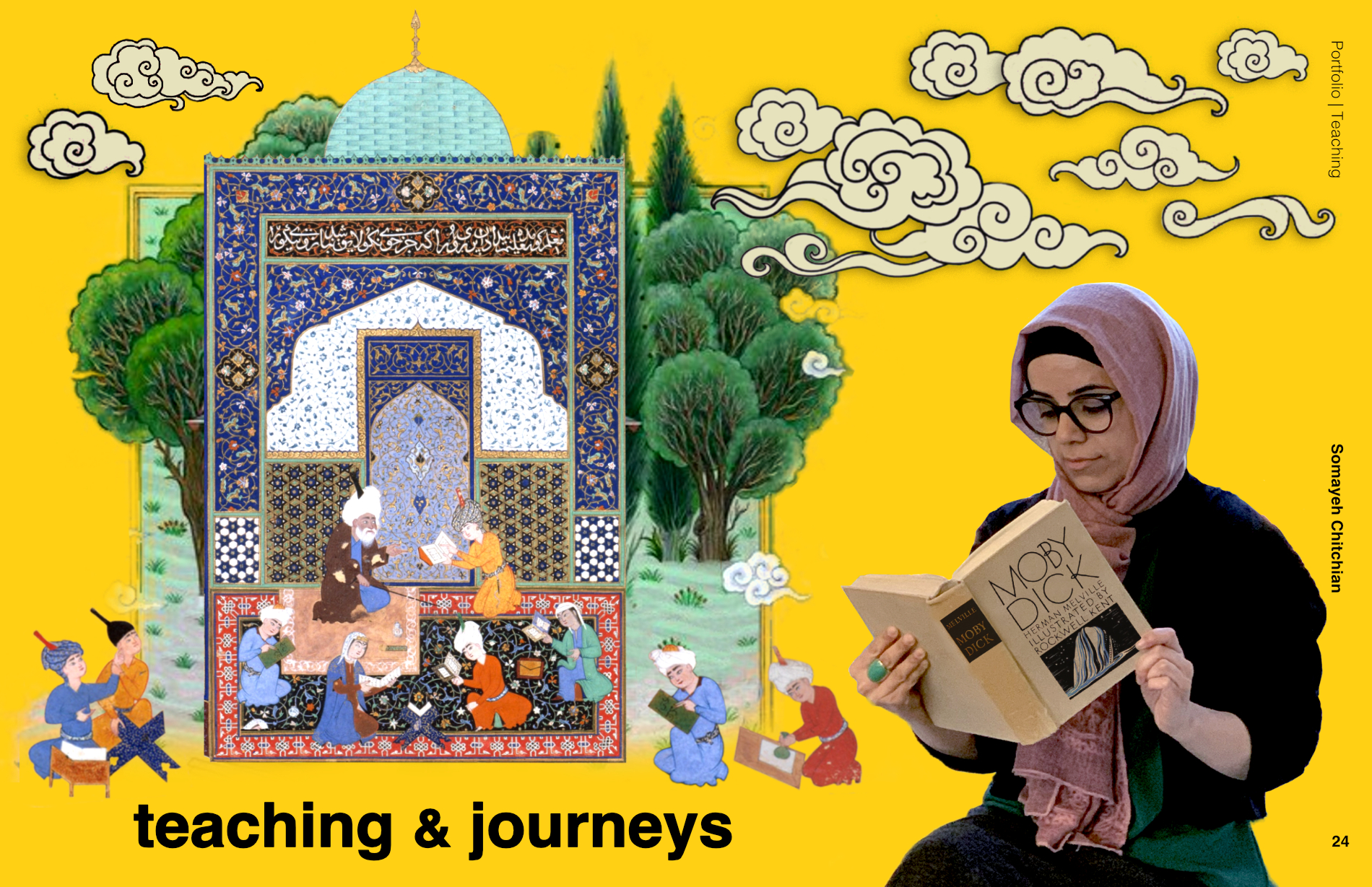
Teaching and writing were not separate from this search.
They were among its most demanding forms.
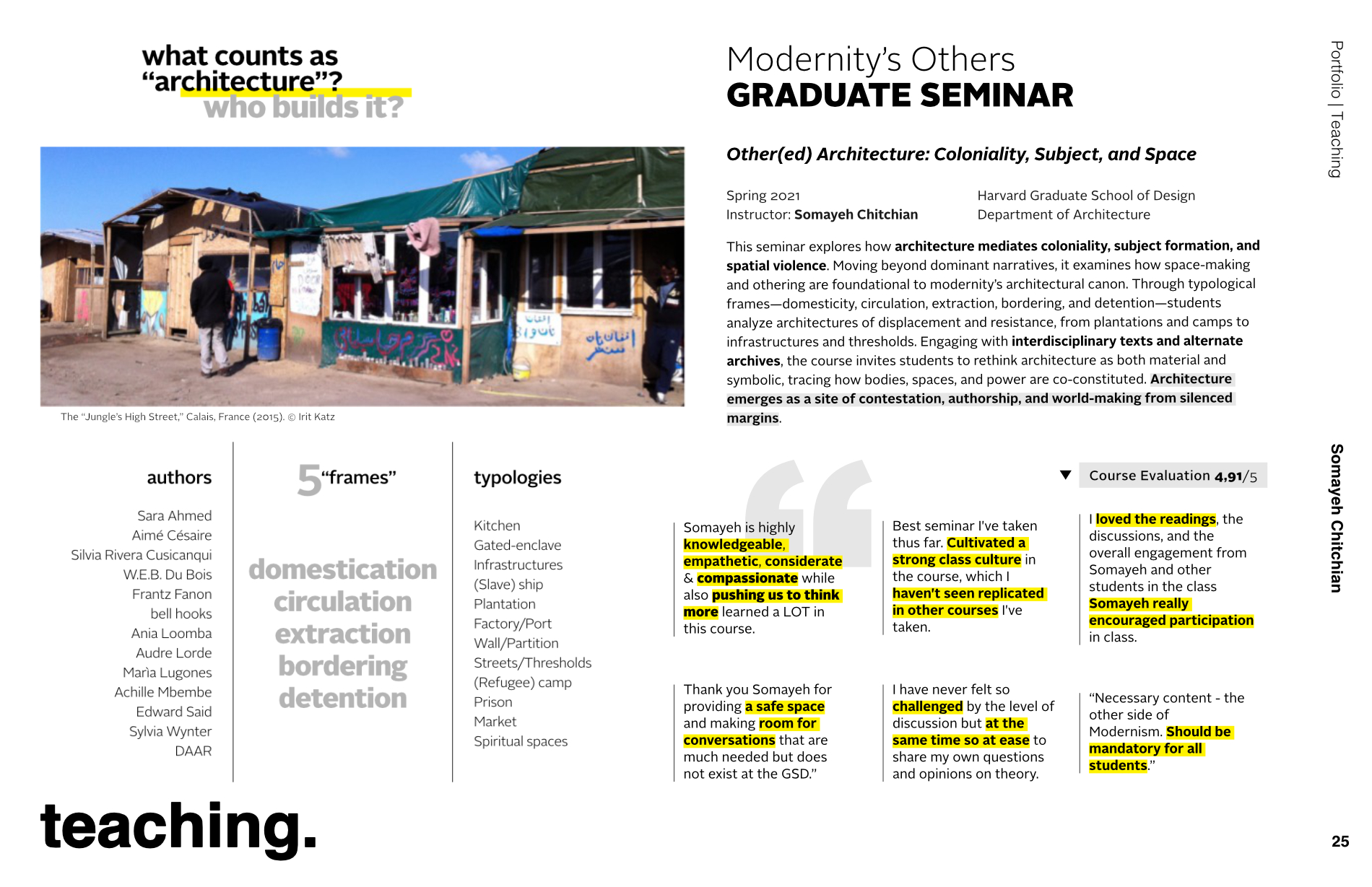
Classrooms became spaces where architectural questions were placed in conversation with thinkers and traditions often kept outside the canon — authors for whom space was not neutral, subjects were not sovereign, and history was not linear. Through these encounters, architecture was read alongside philosophy, literature, poetry, and lived experience, not as illustration, but as a mode of thinking—and sometimes unthinking—in its own right.
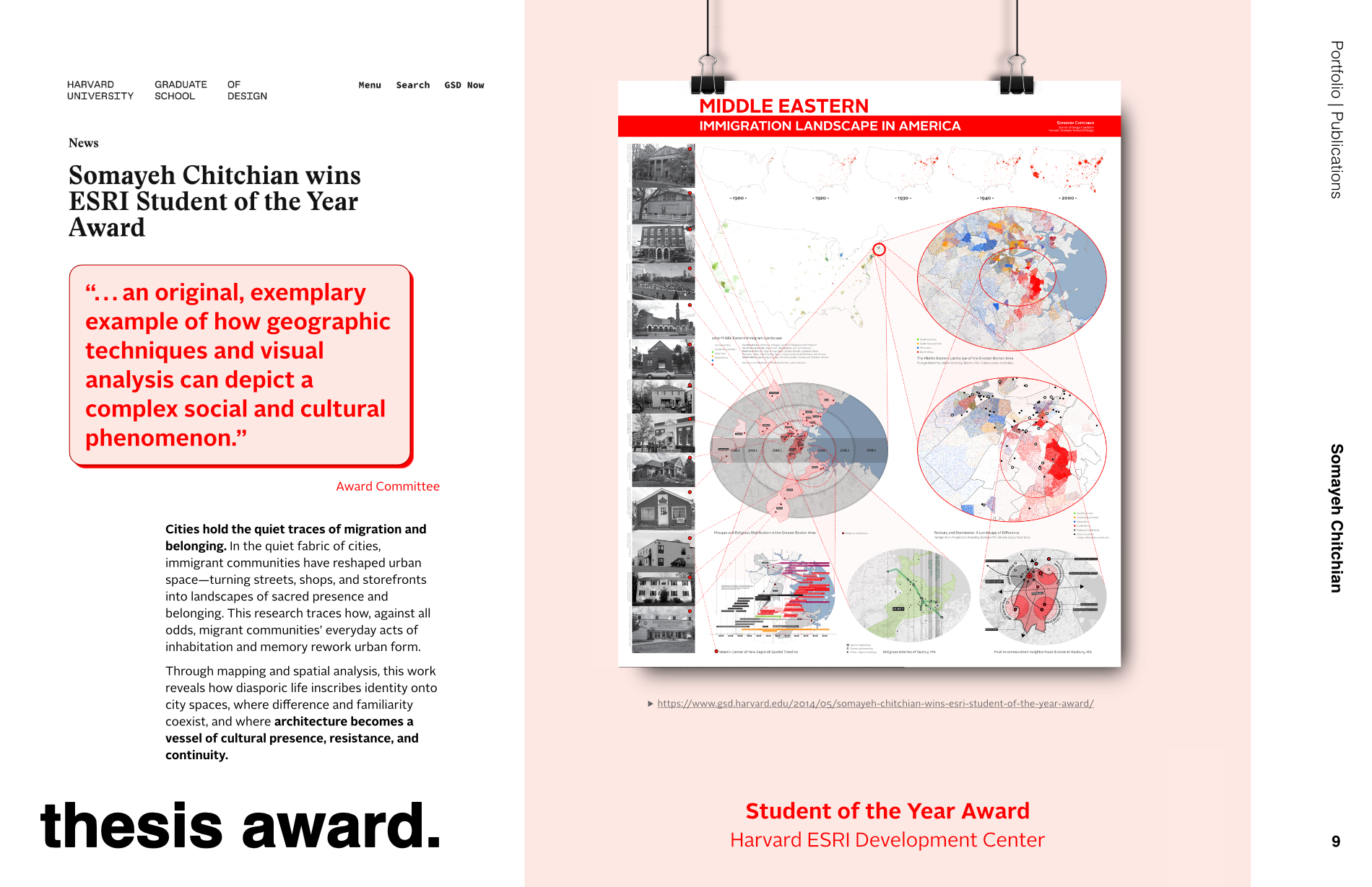
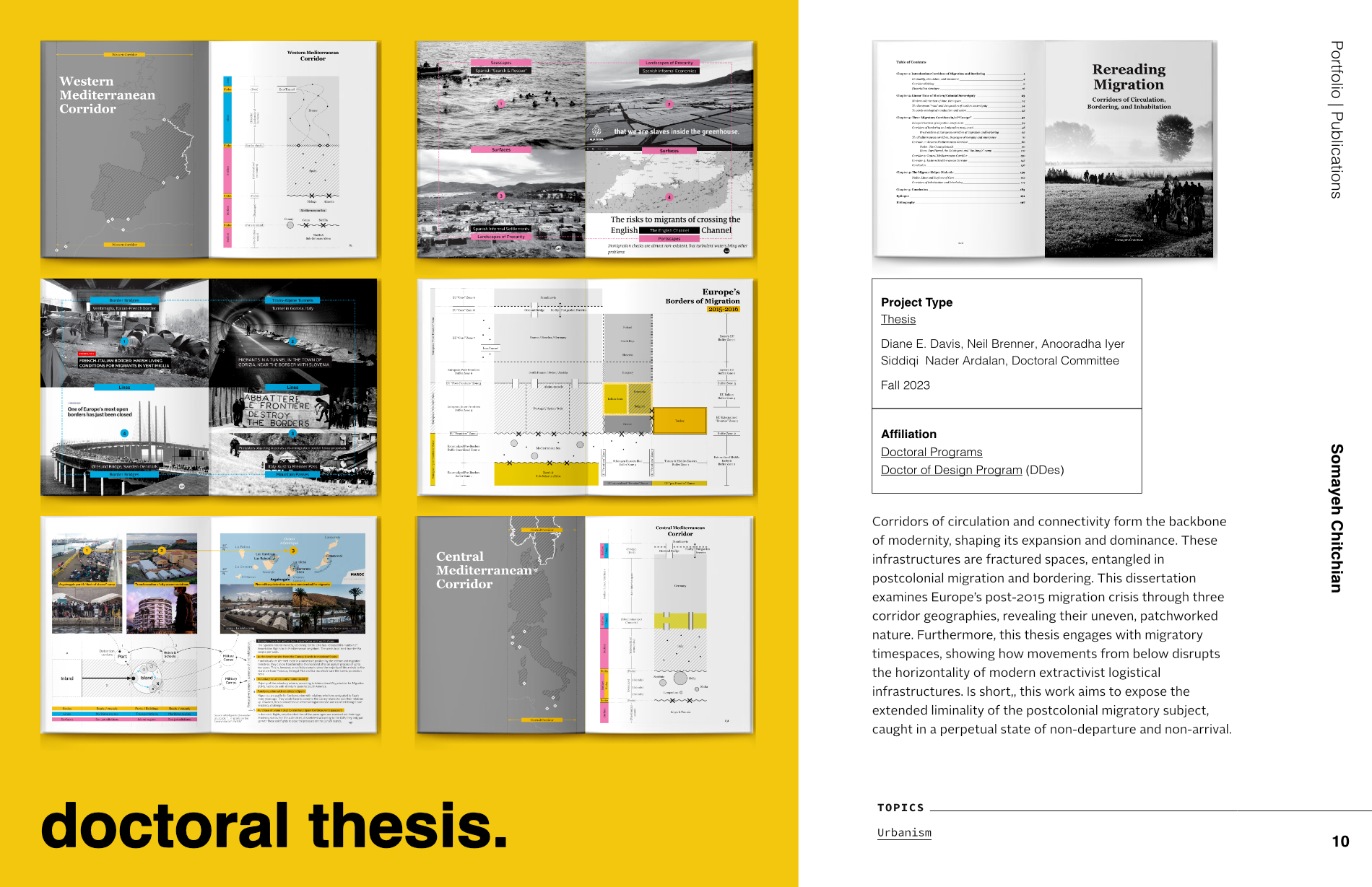
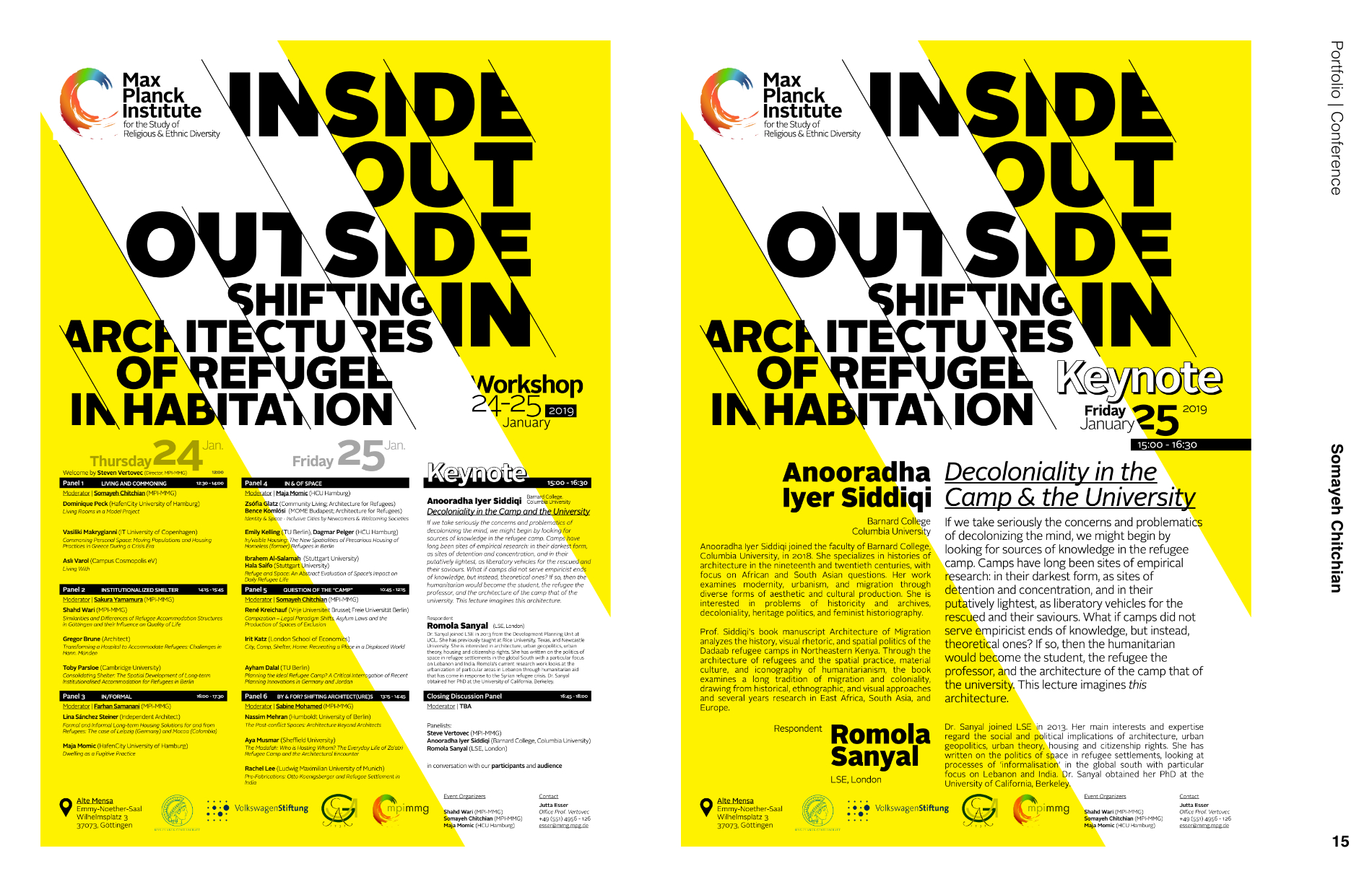
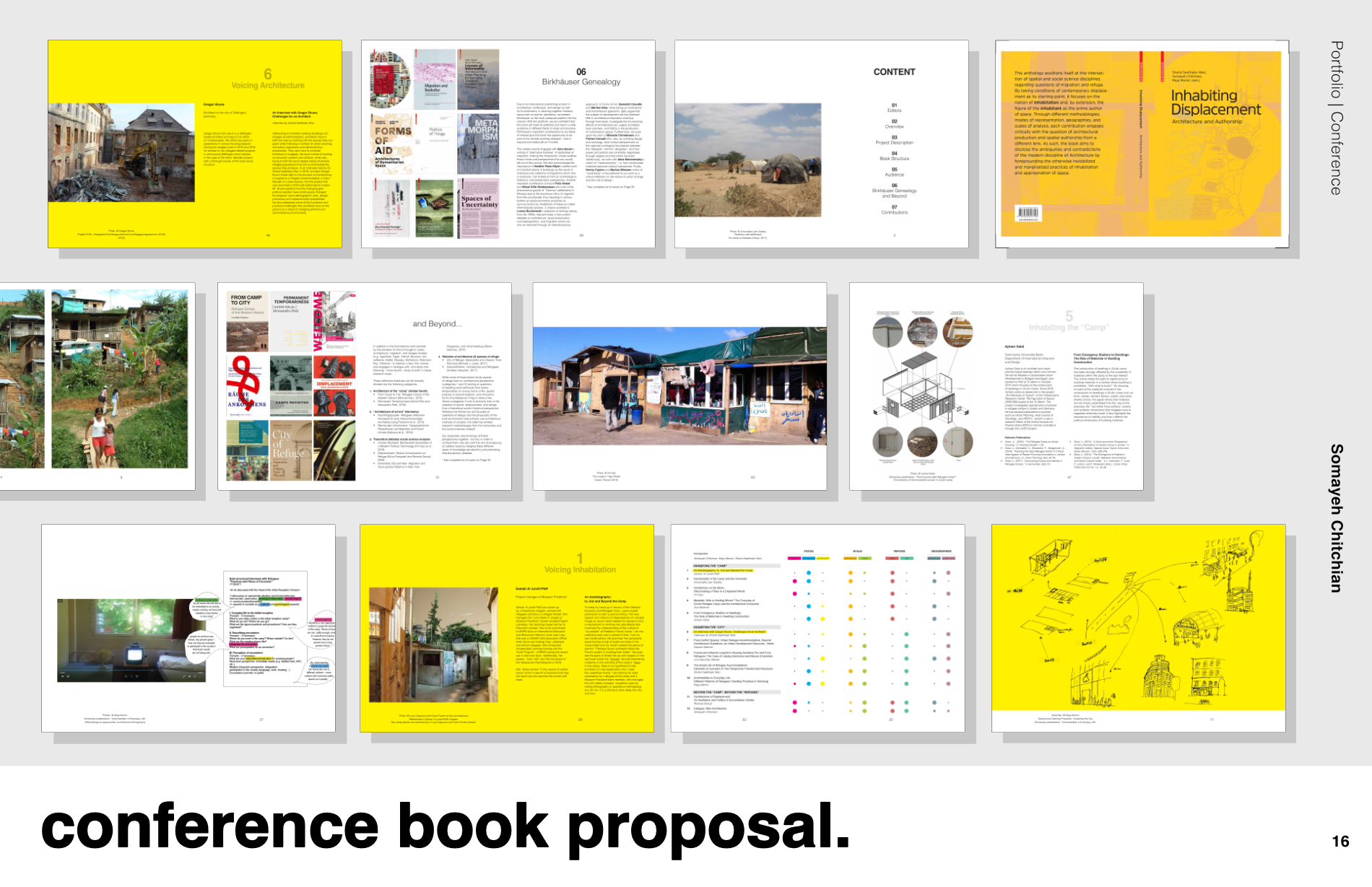
Research and writing during this period followed similar paths. From the everyday spatial practices of Muslim communities in the Greater Boston area to the infrastructural landscapes of Europe, migration was approached as a condition of inhabitation rather than a problem to be solved. These studies asked how displacement reshapes perception, memory, and the ethics of building.
This phase of work sharpened an essential insight:
that while critique can reveal conditions, it cannot by itself provide orientation.
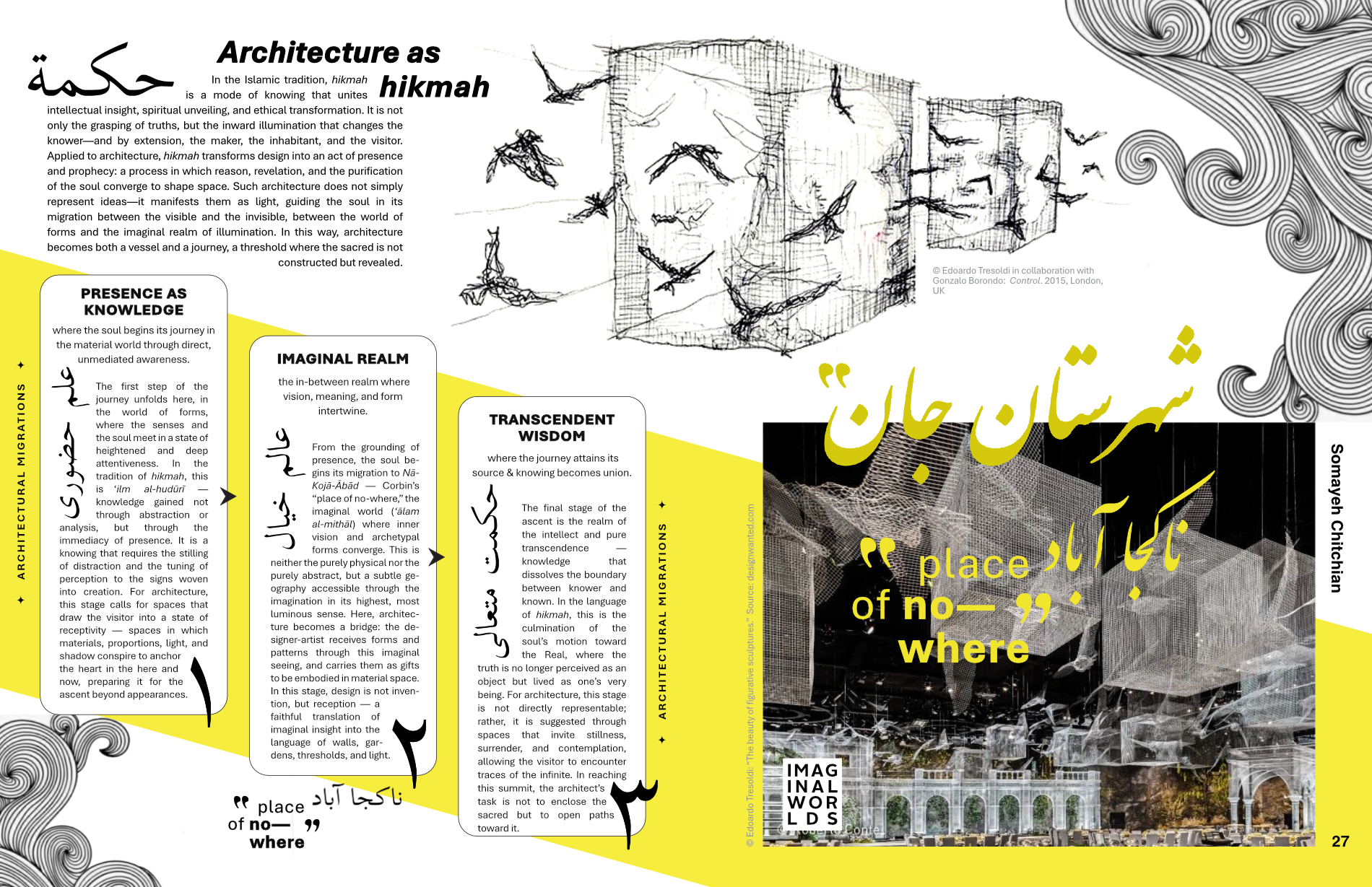
The work now unfolding through Asfār begins from that recognition. It turns toward imaginal, illuminationist, and presential traditions not as an escape from the modern world, but as another way of standing within it — one that asks different questions of architecture, knowledge, and making.