



These are texts that refuse the reduction of imagination to fantasy.
They speak of worlds that are encountered, not invented.
Read them when the visible feels insufficient.
A poetic journey through valleys of transformation, where the seeker is gradually stripped of certainties, identities, and attachments. The poem stages the imaginal not as metaphor, but as a lived passage in which knowing emerges through travel, loss, and collective becoming.
Spatial relevance:
Journey, valleys, thresholds, stations (manāzil), ascent

Visionary philosophy articulated through symbolic narratives, encounters, and luminous worlds. These treatises teach how knowledge appears spatially—as orientation, light, and movement—within the imaginal realm rather than through discursive argument alone.
Spatial relevance:
Visionary landscapes, worlds of light, ascent, orientation
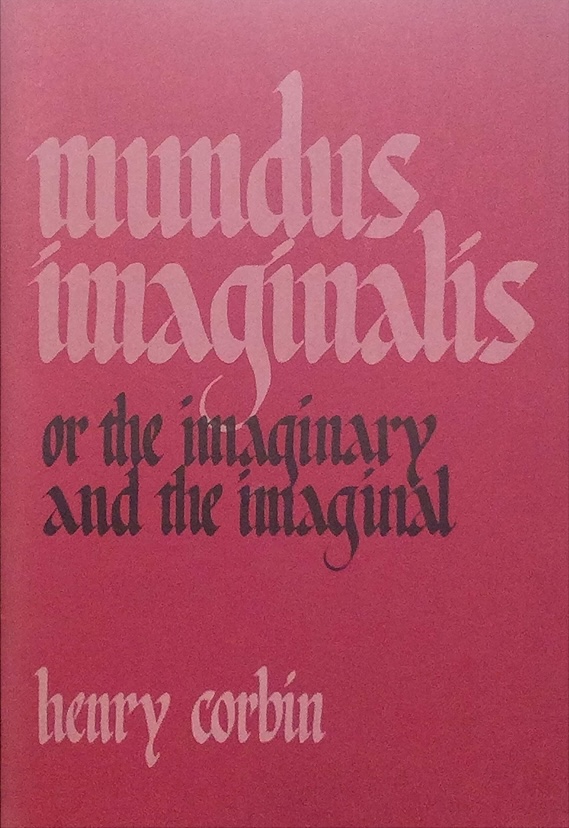
A foundational articulation of the imaginal as a real, intermediate world—neither abstract idea nor sensory matter. Corbin clarifies how this realm possesses its own geography, bodies, and laws, making it indispensable for any inquiry into visionary space and symbolic form.
Spatial relevance:
Intermediate worlds, imaginal geography, mediation
An exploration of Avicenna’s visionary narratives as philosophical acts rather than literary embellishments. The text reveals how journeys, cities, and encounters function as precise modes of knowing within the imaginal order of reality.
Spatial relevance:
Symbolic journeys, visionary cities, inner topographies
A study of the luminous self and the imaginal body as sites of perception and presence. Corbin shows how light is not metaphorical but ontological, shaping how beings appear, move, and dwell within imaginal space.
Spatial relevance:
Light, embodiment, luminous forms, presence
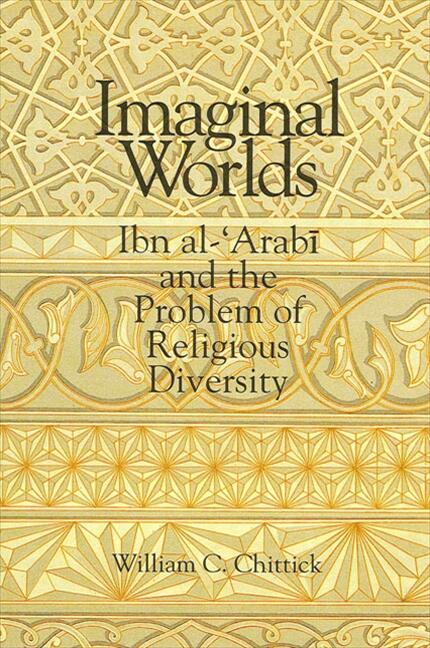
A rigorous account of imagination (khayāl) in the metaphysics of Ibn ʿArabī, where imagination is neither illusion nor subjectivity but a mode of reality itself. The book grounds imaginal perception in ontology, cosmology, and lived spiritual practice.
Spatial relevance:
Worlds, forms, mediation, imaginal embodiment
An articulation of Ibn ʿArabī’s cosmology as a continuous unfolding of divine presence through forms and worlds. The imaginal appears here as the domain where meanings take shape and where the unseen becomes perceptible without being reduced.
Spatial relevance:
Manifestation, unfolding worlds, presence, form
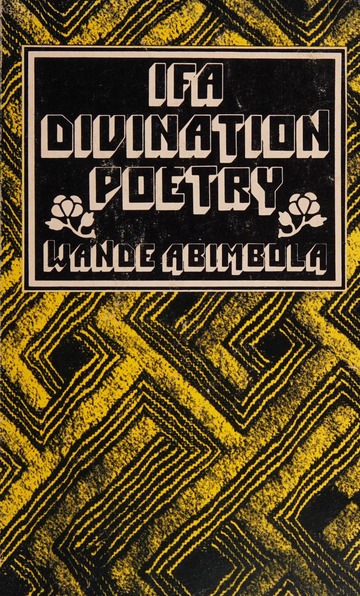
A living corpus of poetic utterances through which reality is interpreted, navigated, and restored. Ifá verses operate as imaginal orientation rather than symbolic representation—mapping crossroads, destinies, and ethical paths where knowledge emerges through encounter, rhythm, and response rather than abstraction.
Spatial relevance:
Crossroads, paths, orientation, cosmological space
A series of imagined cities that reveal how memory, desire, time, and loss shape spatial experience. Calvino offers a modern literary entry into imaginal urbanism, where cities are conditions of being rather than fixed locations.
Spatial relevance:
Cities, memory, imagination, urban perception
A biographical journey through the life of Ibn ʿArabī, tracing how visionary experience and travel shaped his metaphysical insights. The text situates imaginal thought within lived movement across places, cultures, and inner worlds.
Spatial relevance:
Travel, pilgrimage, visionary biography, place
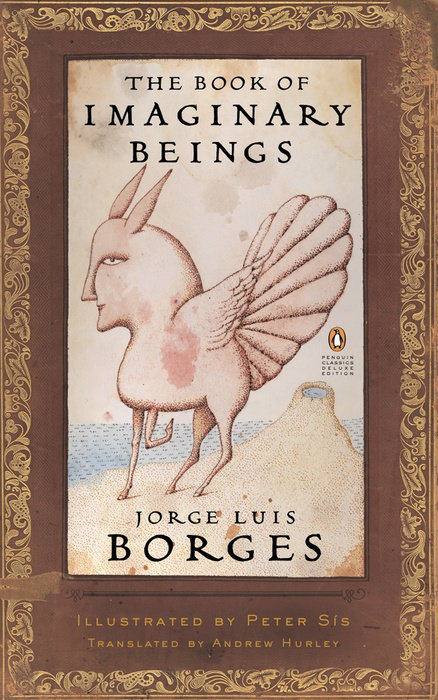
A playful yet profound catalogue of beings drawn from myth, literature, and invention. Borges invites readers into a world where imagination generates ontologies, subtly training perception for imaginal multiplicity.
Spatial relevance:
Invented worlds, symbolic geographies, multiplicity
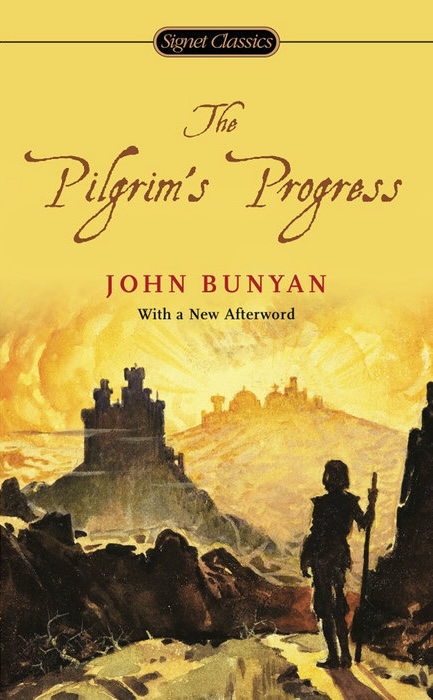
A spiritual journey narrated through roads, gates, burdens, and cities. Read here as imaginal cartography, the text demonstrates how inner transformation takes spatial form without collapsing vision into abstraction.
Spatial relevance:
Journey, path, thresholds, moral landscapes